
Feedback
AI Ad Video Example
Loading...
MiniMax H3 prompt
Build stronger MiniMax H3 prompts: role-tagged references, timecoded shot lists, camera moves, and sound cues for sharper 2K video.
All Tools
Discover our comprehensive AI-powered animation toolkit
MiniMax H3
MiniMax H3 AI Video Generator
Seedance 2.5
The Future of AI Video Is Here.
Seedance 2.0
The Future of AI Video Is Here.
Kling 3.0
Next-Gen AI Video Generator
Grok Video Generator
Create Videos from Text or Images with AI
MiniMax H3 video generator
MiniMax H3 AI Video Generator
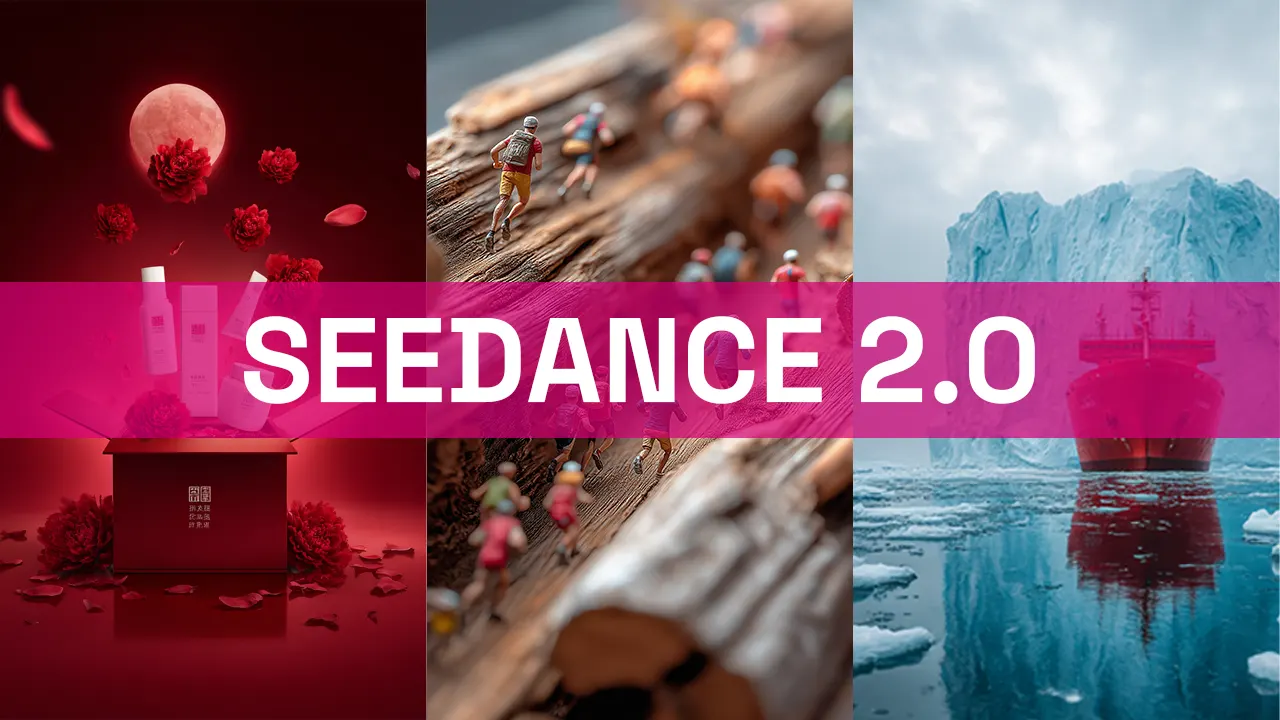
Seedance 2.0
The Future of AI Video Is Here.

3D Science Video
Create 3D science videos easily
Why the MiniMax H3 prompt Deserves More Than One Line
This walkthrough shows how to shape a MiniMax H3 prompt for an open-weight, general-purpose multimodal video model that returns 5-15 second, 2K, 24fps clips with native stereo audio. Because one request accepts up to 7,000 characters, you can label every reference asset, break a scene into timed beats, guide camera and sound, and hold a character's identity steady from first frame to last.
- Give Every Reference a JobThe habit that changes results most: state plainly what each image, clip, or audio file contributes — a mood, a performer, a product, a visual style, or a voice.
- Timed Beats, Not SlideshowsSplit a multi-beat scene into [0-2s], [2-4s] blocks inside the same MiniMax H3 prompt so the edit moves with real narrative rhythm instead of static slide pacing.
- Sound Written Shot by ShotTreat the soundtrack as carefully as the picture — spell out bass lines, hi-hat patterns, foley texture, and the exact moment a line of dialogue lands inside the MiniMax H3 prompt.
How to Build a MiniMax H3 prompt That Holds Together
Four moves take an idea from rough note to a finished 2K clip with synchronized audio.
Techniques That Sharpen a MiniMax H3 prompt
These practices raise output quality fast — reference roles, timed beats, sound direction, negative instructions, identity locking, editing constraints, cinematic phrasing, and physical transitions — for precise, professional-looking MiniMax H3 prompt results.
Tell It What to Leave Out
Exclusions matter as much as inclusions in a MiniMax H3 prompt: 'no soft dissolves', 'no garbled text', 'no sudden scare cuts' keep the model from drifting into looks you never asked for.
Keep Faces and Props Consistent
Name the defining details inside the MiniMax H3 prompt — hair, wardrobe, props, on-screen type — so characters, products, and settings look identical from one cut to the next.
Pair Every Edit with a Constraint
When you swap one element in a MiniMax H3 prompt, say what must not move. That keeps changes local and saves you from rebuilding the entire clip.
Borrow the Camera's Vocabulary
Reach for real film terms in your MiniMax H3 prompt — shot size, lens character, exposure, handheld shake, rack focus, wide-angle distortion, grain — and the output gains a more deliberate look.
Describe Cuts as Actions
Instead of naming an effect in the MiniMax H3 prompt, show the motion: a whip pan, motion blur, optical smear, or exposure flicker reads more reliably than a label.
Room for the Whole Shot List
With 7,000 characters available, a complete scene, timed shots, audio notes, and constraints all fit into a single MiniMax H3 prompt request.
MiniMax H3 prompt: Questions Answered
Straight answers to what people ask most when writing a MiniMax H3 prompt for the MiniMax H3 video model.
What does the MiniMax H3 prompt guide cover?
It collects proven practices for working with MiniMax's open-weight multimodal video model — how to label references, time your beats, direct audio, exclude unwanted looks, hold identity steady, and write with cinematic precision for 2K video and native stereo audio.
Is there a length limit on a MiniMax H3 prompt?
You have roughly 7,000 characters to work with, which comfortably holds a full shot list, timed beats, camera notes, sound design, and constraints together.
How should I handle several reference files?
Give each one a defined purpose inside the MiniMax H3 prompt — 'Image 1 for mood, Image 2 for the performer, Audio 1 for voice'. A single request accepts up to 9 images, 3 video clips, and 3 audio files.
Do I need to describe the sound too?
Absolutely. Write audio the way you write picture in your MiniMax H3 prompt — music shape, when instruments enter, foley detail, dialogue timing — so the generated soundtrack tracks the edit instead of fighting it.
How can I keep a character consistent?
List the features that define them — hair, wardrobe, props, surroundings — inside the MiniMax H3 prompt, and repeat those details across every timed beat so nothing drifts between cuts.
What tends to ruin a MiniMax H3 prompt?
Loose pacing and undefined style. Replace slideshow-style sequences with timed blocks, and state your exclusions clearly so unwanted elements never make it into the final render.
Turn Your Next Idea into a MiniMax H3 prompt
Combine timed shot lists, labeled references, cinematic camera language, and sound direction in one MiniMax H3 prompt, then produce 2K video with stereo audio from a single submission.